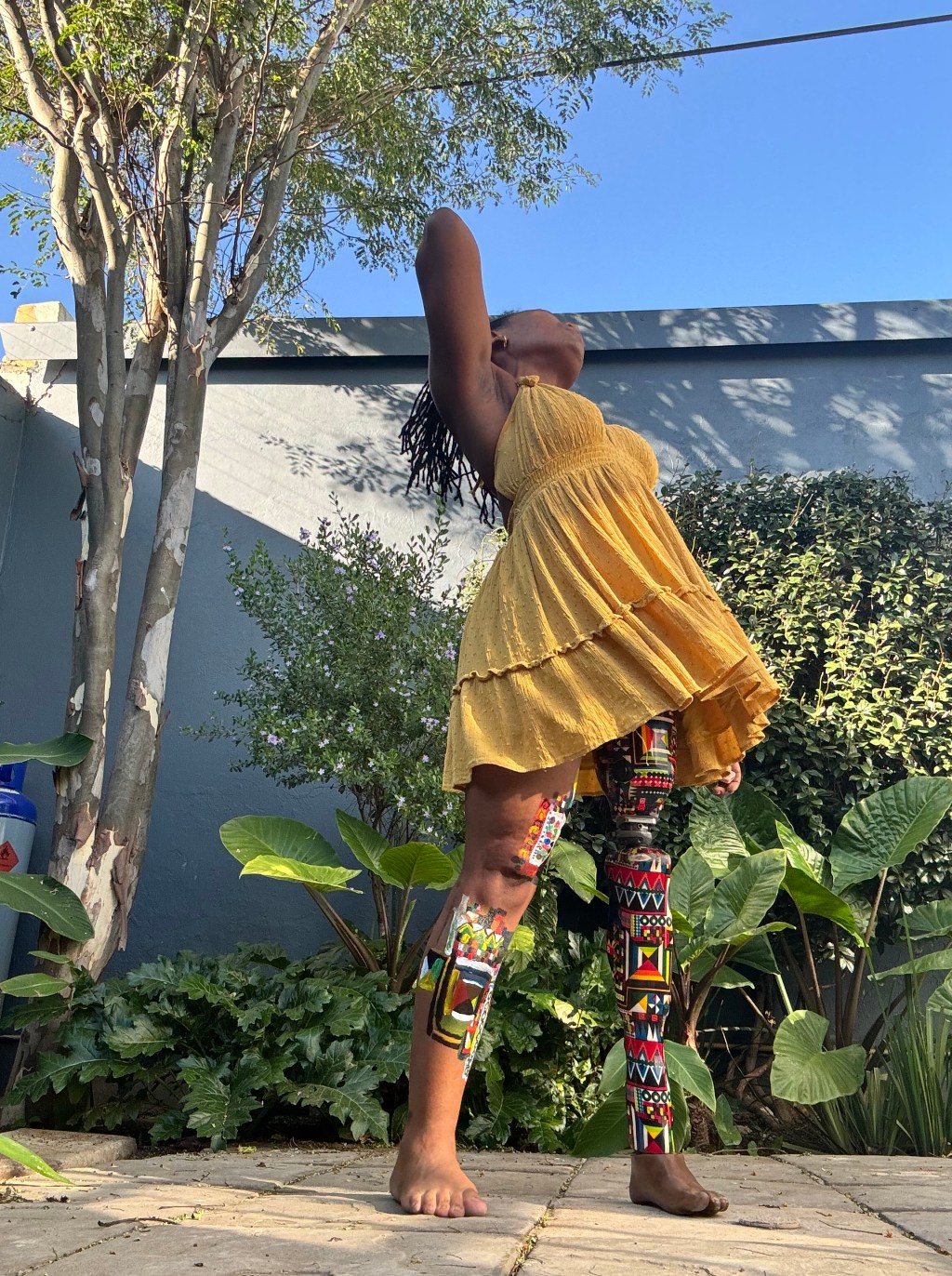
Something I have been processing… during my quiet time away from writing. Is “WHY” society treats people with disabilities the way that it does.
And honestly, It’s a question that has been PLAGUING me.
What is it about my body that makes other people uncomfortable?
So I have begun questioning this idea, and asking the “why” behind it. Until I reach a point where the dominoes begin to fall in the opposite directions.
One thing I always do is compare the realities of today against ancient times (for obvious reasons; we still cannot recreate the world they created, though we “supposedly” have more tools and resources). So naturally I needed to read and look into the views of how disabled bodies were treated back then.
According to “Ancient Egypt & Disabilities,” an article featuring work by Alexander Morris, Richard Amm, and Kyle Lewis Jordan, “Disabilities in ancient Egypt were often seen as divine attributes bestowed by the Gods.” As a result, they were often given higher levels of work, responsibilities, and roles in society.
Ancient Egypt (Kemet) is still, to this day, one of the MOST, if not the most inclusive time periods for people with disabilities.
So where did this change?
If there is one thing that always sticks with me, it’s how growing up I only heard of Jesus healing the “sick” or disabled. As a result, I grew up in countless environments where my “healing” was always something people were actively chasing… but the part I never understood was: if I knew I was already healed (proven by the life I was living), why couldn’t the world around me understand this?
What version of “healed” are they chasing?
Why are people praying my leg grows back, instead of celebrating the life I was living?
Why am I still not viewed as whole, IF I have already been surviving countless years later?
The research article ‘Disability and Spirituality,” written by Bilge Nuran Aydoğdu1, at Marmara University, shares, “One can conclude that monotheistic religions consider being disabled as a punishment for a sin committed or as a reward to be received later. A similar situation can be found when considering Buddhism. According to karmic philosophy, individuals who made mistakes in a previous life are punished by becoming a person with a disability in the next life”
— a theme that has been repeated amongst many religious texts.
But how did we go from disability being seen as divine attributes, to disability being a curse due to past life mistakes?
(which I do kinda chuckle at, as most religious texts are against the idea of “reincarnation” themselves.)
To me, the answer is simple …. Insert “colonialism”.
A period where the abandonment and complete erasure of original spiritual and community-based practices were not only encouraged, but ultimately the goal.
I mean, how else would disabilities go from “Divine” to “Cursed”?
Subsequently, if we look at the period of the Emancipation Proclamation, which did NOT reach those who were enslved in the South. And when it DID (Juneteenth), according to The Continuation of Slavery: The Experience of Disabled Slaves during Emancipation by James T. Downs. “Able-bodied” men were favored, those who could work and move as “free men”, leaving behind disabled bodies on plantations, forced to continue living in enslavement.
What benefit does the world have by continuing to leave people with disabilities behind? It is perhaps a reminder of “this could be you”? Is it an incentive to show “the poor” manifested in a physical form?
What benefit does the world have by embracing people with disabilities and including them, instead of ostracizing them and condemning them?
Or is it the idea that, in truth — while society has tried to turn the world into “inspiration” as a micro-aggression towards people with disabilities. —the truth is, we are an everyday reminder of the “wonders” of God or the Universe itself?
And if that’s the case …. Isn’t Ableism, in truth, just rooted in colonial anti-spirituality residue?”









Leave a comment